






In industrial environments, electrical panels are the central nervous system of operations – controlling motors, drives, pumps, and entire production lines.
Yet, many industries still rely on a reactive approach: They act only after a failure occurs.
The truth is: Electrical failures are rarely sudden—they develop silently over time.
This is where electrical panel monitoring becomes critical. It helps detect issues early, prevent downtime, and improve overall industrial reliability.
The Hidden Risks Inside Electrical Panels
Electrical panels may look normal externally, but internally they are constantly exposed to multiple stress conditions:
Phase imbalance
Phase failure
Overloading
Overheating
Loose or degraded connections
Why Electrical Failures Are Not “Sudden”
One of the biggest misconceptions in industries is:
“The system failed suddenly.”
In reality:
Failures are not sudden—they are undetected.
Without industrial electrical monitoring:
- Abnormal conditions are not tracked
- Equipment operates under stress
- Damage accumulates gradually
Until it results in:
- Equipment breakdown
- Production stoppage
- Unexpected downtime
The Real Cost of Not Monitoring Electrical Panels
Ignoring electrical panel conditions can have serious consequences:

Production Downtime
Even a short interruption can disrupt the entire production cycle.

Equipment Damage
Motors, drives, and control systems degrade faster under abnormal conditions.

Increased Maintenance Cost
Reactive maintenance is significantly more expensive than preventive monitoring.

Safety Risks
Undetected faults can lead to overheating, short circuits, or hazardous failures.

What Should You Monitor in an Electrical Panel?
Effective power monitoring in industrial systems focuses on key parameters:
Voltage Monitoring
Detect fluctuations, under-voltage, and over-voltage conditions

Current Monitoring
Identify overloads and abnormal current consumption
Power & Power Factor
Ensure efficient energy usage and system stability

Phase Monitoring
Detect phase loss, imbalance, and incorrect phase sequence
Temperature Monitoring
Identify overheating risks inside panels
Key Devices Used for Electrical Panel Monitoring
Modern electrical monitoring systems use a combination of intelligent devices:

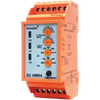
Monitoring Relays
Detect abnormal electrical conditions and trigger protective actions
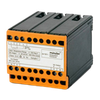
Transducers
Convert electrical parameters into signals for PLC, SCADA, or automation systems
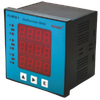
Multifunction Meters (MFM)
Provide real-time data on voltage, current, power, and energy consumption
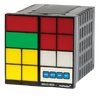
Alarm Annunciators
Give instant visual and audible alerts for quick fault identification

From Reactive Maintenance to Preventive Monitoring
Reactive Maintenance
Preventive Maintenance
With proper electrical panel monitoring:
- Issues are identified in real-time
- Corrective action is taken before damage
- Equipment life improves
- System reliability increases
In Short
Electrical panels always give warning signs, but without monitoring, those signs go unnoticed.
Effective industrial electrical monitoring ensures:
- Early fault detection
- Reduced downtime
- Improved equipment life
- Better operational control